An Inner Renaissance: Where to Start
A practical starting point for the works I keep returning to, for anyone who was never handed them.
People are born, finish school, go to university, and are stuffed with information until it's practically spilling out of their ears. And at the end we get a working professional who may never hear Beethoven's Pathétique sonata. Or who hears it and laughs, because the environment around them won't let them step outside its limits.
That person may be wonderful, with enormous potential, just less fortunate than someone else. Nobody came along to tell them there's another way to live: that the meaning of life may not lie in likes and reposts, and that they can stand up to their full human height.
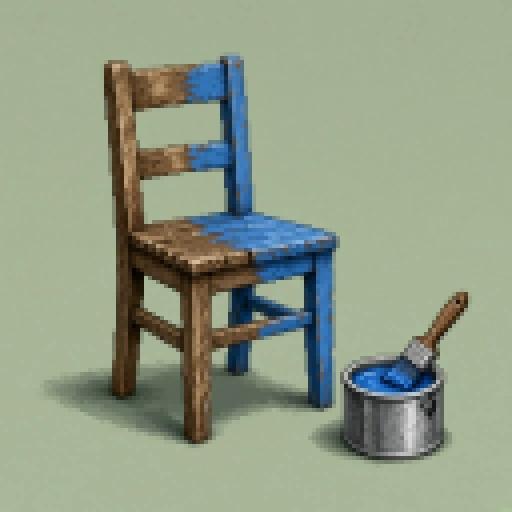
I call the moment when a person goes through that inner revolution, starts to develop, and stands upright in their humanity an inner Renaissance. Here's a short, practical map of the things I'd hand someone at the beginning of one. None of it requires a degree, and most of it is free.
Beethoven: the Pathétique
Beethoven's Piano Sonata No. 8 in C minor, Op. 13, published in 1799, is known as the Pathétique. It's in three movements and runs a little under twenty minutes. The slow middle movement (Adagio cantabile) is the gentlest way in. Recordings are easy to find on any streaming service, and free scores are on IMSLP, the public-domain music library.
Bach: preludes and fugues
Bach's Well-Tempered Clavier is two books, each with 24 preludes and fugues, one in every major and minor key. Book I dates from 1722, Book II was compiled in the early 1740s. Start with the very first Prelude in C major from Book I. It's short, and you'll probably recognise it.
Shakespeare: comedies and tragedies
If the language feels heavy at first, watch before you read. A comedy such as Twelfth Night or Much Ado About Nothing is a friendly door; Hamlet or King Lear when you're ready for the deep end. The complete texts are in the public domain, for example on Project Gutenberg.
Ancient philosophy
Plato's Apology, his account of Socrates defending himself at his trial, is short and readable in an afternoon. For the Stoics, Marcus Aurelius' Meditations and Seneca's letters are written for ordinary use, not for scholars. Epicurus' Letter to Menoeceus is a few pages on how to live without fear. Older translations of all of these are free online.
How to actually do it
Pick one thing, not five. Give it a regular slot: a piece of music on the walk home, ten pages before sleep. Don't judge it on the first try. And notice what changes in how you treat people, because that's the real test. If someone comes to see intelligence as kindness and virtue rather than money or logarithms, and it shows up in their actions, not only their words, then they've won. And so have the rest of us.